The Order I Thought I Had Nailed
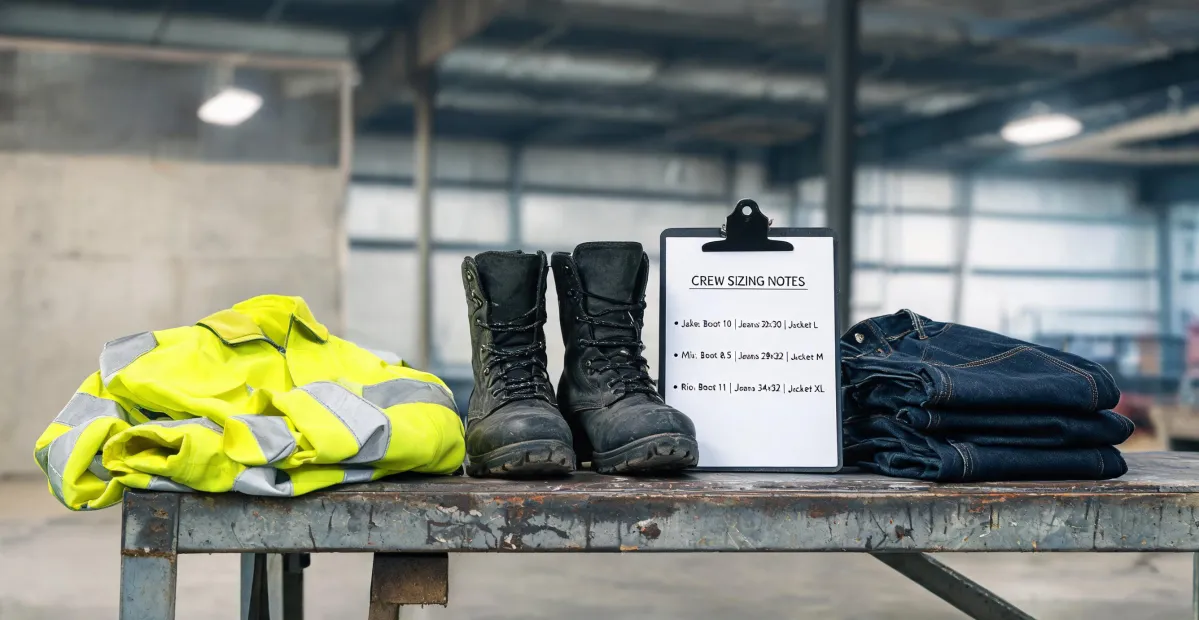
Back in September 2022, I was pretty pleased with myself. We needed to outfit a new crew of 12 electricians, and I had just secured a bulk order for what I thought was the perfect solution: Ariat FR pants. The brand was trusted. The price was within budget. The specs looked right.
I assumed a big brand meant a safe worker. I didn't verify the finer details on the compliance sheets. Turned out, the specific style I ordered—while being excellent, durable work pants—didn't have the specific arc rating required by our internal safety audit for that specific task.
The mistake affected a $3,200 order. Every single pair had to be returned and exchanged. That error cost $890 in shipping restocking fees plus a 2-week delay in getting the crew compliant. I felt like an idiot.
So, when people ask me, "Are Ariat work boots good?" or "Is this the right pair of FR pants?", my answer isn't a simple "yes." It's a question back at them: "What exactly are you protecting them from?"
This is the core issue a lot of safety buyers miss. We get seduced by the name. But a logo isn't a safety program.
The Surface Problem: "Is This Brand Good Enough?"
Every week, I see someone in a forum or a procurement meeting asking the same thing: "Is [Brand X] good enough?" They want a binary answer. A green light. They want someone to tell them that buying the famous brand means they can tick the box and move on. It's tempting to think you can just compare logos. But identical brands can produce wildly different results depending on the specific model and application.
People assume the most expensive item is the safest. What they don't see is that a $400 pair of insulated coveralls for men might be over-engineered for a warm warehouse job but under-specced for a sub-zero outdoor shift if the insulation type is wrong.
The Deep Reality: Specs Don't Care About Your Brand Loyalty
The real problem isn't the quality of Ariat gear. It's our assumption that all items from the same brand live in the same safety category. It's the oversimplification of safety purchasing.
The FR Pants Trap
Let's stick with the FR pants Ariat example. There's a massive difference between a pair designed for secondary arc flash protection (HRC 2) and a primary pair meant for flash fire protection. They look similar. The logo is the same. But the underlying standards (NFPA 70E vs. NFPA 2112) dictate completely different performance requirements. If you buy the wrong one because you trust the brand, the employee isn't protected. Period.
When I compared the compliance tags on the pants I rejected side by side with the correct ones we eventually bought, I finally understood why the details matter so much. They were both from Ariat. Both excellent quality. But one was rated for an arc flash of 8 cal/cm² and the other for 12 cal/cm². That's a huge difference in real-world safety.
The Tactical Vest Illusion
Same thing happens with a tactical vest. It looks tough. It has lots of pockets. It feels like it means business. But is it rated for stab resistance? Does it have the correct NIJ level for ballistic threats? Or is it just a fancy nylon carrier? I assumed a "tactical" label meant it was body armor. Didn't verify. Turned out the vests we bought were just load-bearing vests; they offered zero ballistic protection. Learned never to assume a name implies a function after that incident in Q1 2023.
The Cost of Assuming (The Real Price Tag)
We've caught 47 potential errors using our pre-check checklist in the past 18 months. But before that checklist existed, the costs were real.
- Compliance Failures: That FR pants mistake didn't just cost shipping. It risked a fine from OSHA and, more importantly, the safety of a human being.
- Wasted Budget: Buying a tactical vest that isn't worn because it's too heavy or doesn't fit the equipment is just $150 in a closet.
- False Security: The most dangerous cost. An employee wearing the wrong gear thinks they're safe. That's a liability I cannot overstate.
It's tempting to think, "The Ariat work boots are good, so everything they make is good." But [SIMPLE RULE] advice ignores the nuance of safety standards. A great work boot doesn't mean a great safety harness.
A Simple Fix: The Three-Question Rule (Before You Buy)
I only believed in checking specs before buying after ignoring it and eating that $890 mistake. Now, before I add anything to cart—whether it's insulated coveralls for men or a simple pair of gloves—I run this quick reality check. It's not complicated.
- What is the specific hazard? (Arc flash? Flash fire? Impact? Cold?)
- Does this item have a specific, verifiable standard rating for that hazard? (Look for ASTM F1506, NFPA 2112, ANSI Z87.1 on the label).
- Would I be comfortable asking my colleague to wear this item while facing that hazard? (The empathy check).
If the answer to question 2 is "no" or "I think so," your assumption is a risk. I recommend Ariat for boot and FR clothing needs because they usually have clear labeling. But if you're dealing with a complex multi-hazard environment, you might want to consider alternatives or at least check the fine print yourself.
Don't hold me to this, but I'd estimate 60% of the safety gear returns I see are because someone bought the right brand but the wrong item for the specific job.
Pricing and product specs are for general reference only. Actual performance varies by model and lot. Verifying specific ASTM or NFPA ratings with the manufacturer for your specific application is always the safest course of action (and a habit I highly recommend).