Hazard and task intake
We capture shift length, walking surface, hot work exposure, weather, visibility needs, and any known site rules before discussing products.
AriatTech service support is built for supervisors and purchasing teams who need fewer surprises when safety footwear and protective workwear reach the field. The process starts with the jobsite reality: mud, ladders, concrete, sparks, weather, long walking routes, and workers who need equipment that fits well enough to stay on.
We help translate those details into practical product lists, trial runs, sizing guidance, and reorder routines. For footwear, recommendations can reference ASTM F2413 I/75 C/75 impact and compression, EH options, metatarsal guards, waterproof membranes, and outsole traction. For FR or high-visibility workwear, the discussion can include ANSI/ISEA 107 Class 2 or Class 3 visibility, NFPA 2112 garment needs, and arc-rated layer planning when appropriate.
Start a Service Request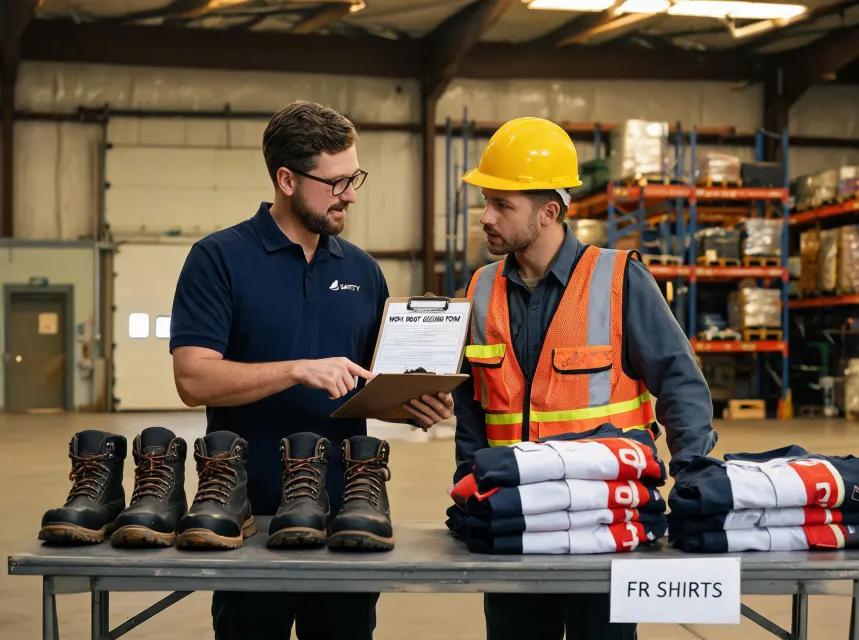
The support model is deliberately simple. It gives buyers enough structure to avoid mismatched products while leaving room for local dealer relationships, worker preferences, and changing site conditions.
We capture shift length, walking surface, hot work exposure, weather, visibility needs, and any known site rules before discussing products.
Pull-on boots, lace-up boots, women's sizing, wide widths, and FR garment layers are mapped before a large order is released.
Small test quantities help confirm traction, break-in feel, garment mobility, and worker acceptance before broader deployment.
Approved lists, seasonal substitutions, and replacement timing help reduce one-off buying that drifts away from the safety plan.
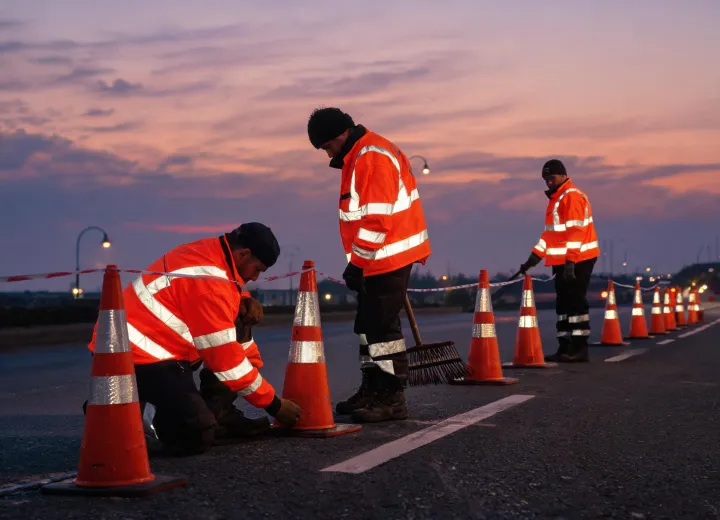
A regional contractor needed a kit that handled wet pavement, visibility near moving vehicles, and cooler shoulder-season shifts. The final recommendation separated waterproof safety toe boots from lighter dry-weather options and paired them with Class 3 outer layers. The practical win was clarity: supervisors knew when to issue which layer, and workers did not have to choose between visibility and mobility.
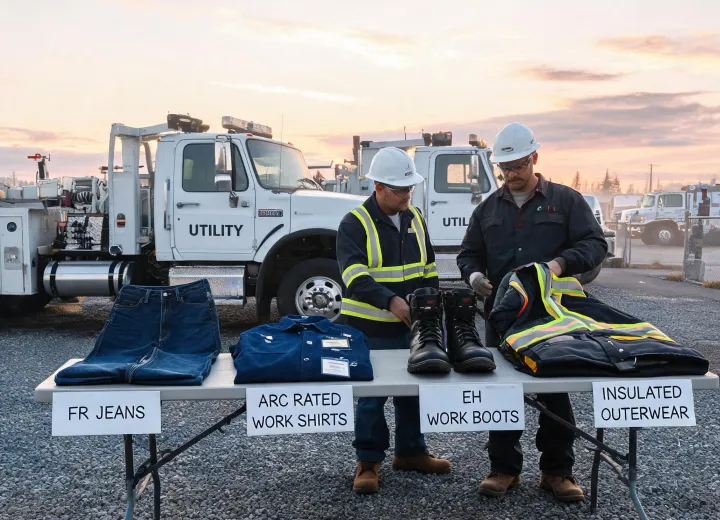
The utility buyer wanted to preserve an approved FR baseline while reducing sizing problems during winter. AriatTech organized the list by base garment, outer layer, and footwear duty. The service notes included ATPV discussion points, EH footwear preferences, and reorder windows, helping the team avoid last-minute substitutions that could complicate compliance reviews.
Tell us how many workers need footwear or workwear, where they work, what is wearing out too fast, and which standards are already written into your purchasing documents. We will respond with a practical path for product review, sampling, or quote coordination.
Share the work setting, footwear needs, FR requirements, and rollout timing. A program specialist will respond with practical next steps.