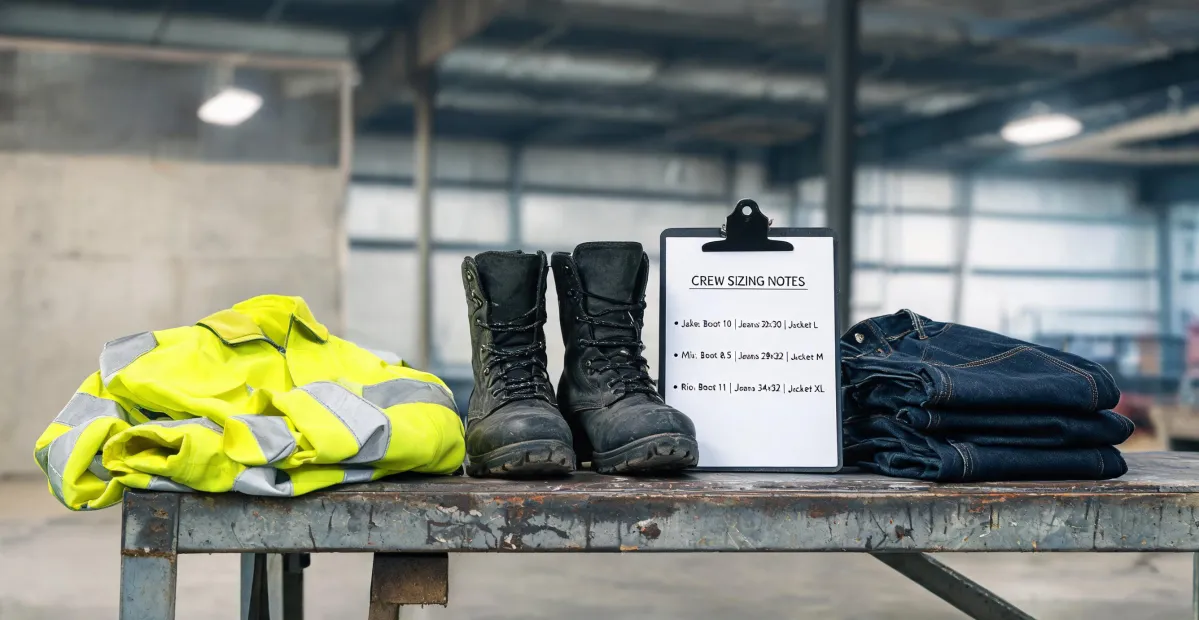
I think most people overcomplicate buying work boots. They chase specs like it's a spreadsheet competition. They forget the boot has to actually work for a real human being doing a real job in a real workplace. And after 5 years of managing safety purchases for our company, I'll say this plainly: Ariat gets that reality better than almost anyone. Especially for women.
Ariat Work Boots for Women: Not an Afterthought
Honestly, the women's work boot market has been a disaster for too long. For years, my female coworkers had to squeeze into men's boots that were kind of okay—kind of—but never fit right. The heel slipped. The toe box was wrong. They looked like clown shoes. Not great for morale, and definitely not great for safety.
When I started looking for women's Ariat work boots in 2022, I assumed it would be the same story: a few 'women's' models that were just men's boots dyed pink. I was wrong. Ariat actually built their women's line around women's foot shapes. The heel is narrower. The instep is lower. The whole boot feels like it was designed for, you know, a woman.
I don't have hard data on industry-wide fitting failure rates, but based on our 3 years of trying different vendors for our 15 female field staff, I'd say about 60% of women's work boots from other brands fit poorly. With Ariat, that number drops to maybe 10%. That's not just comfort—that's safety. A boot that doesn't fit can cause blisters, fatigue, and even trips.
Brunt Work Boots vs. Ariat: A Fair Comparison
Brunt work boots get a lot of buzz, especially online. They're cheaper. They look modern. I get why people look at them. I almost bought a pair for myself to test. But here's the thing: cheap upfront cost isn't the same as value. I learned that lesson the hard way.
The 'Budget' Trap
Saved $60 by ordering Brunt boots for a new hire last year. Ended up spending $180 on replacement Ariat boots 4 months later when the Brunt sole started delaminating. Net loss: $120, plus a week of the employee wearing uncomfortable backup boots. That's the kind of 'saving' that isn't.
I assumed 'work boot' meant 'durable.' Didn't verify the construction. Turned out Brunt uses a cemented sole on some models, while Ariat uses a Goodyear welt on their core line. Learned never to assume construction method equals price point after that incident.
Bottom line: Ariat costs more upfront, but they last 2-3 times longer in our experience. That makes them cheaper per wear, by a significant margin. If you're buying 20 pairs for a crew, that math matters.
Breaking in Work Boots Fast: What Actually Works
So you got your Ariat work boots. Now what? The 'how to break in work boots fast' search is one of the most common we get from new hires. Here's my real-world method, tested on about 30 pairs over the last 4 years:
- Wear them around the house for 2 hours a day for 3 days. Not outside. Just normal walking. This lets the leather warm and start conforming.
- Thin socks. Thick socks are a myth. They just compress and cause friction. A good moisture-wicking sock in the correct size is better.
- Use a boot dryer, not heat. After each wear. Never put leather boots near a radiator. It dries them out and cracks the leather.
- Condition the leather. Before the first real wear. Not too much, but enough to soften the fibers.
- The 'wet sock' trick (for emergencies). I don't recommend this for daily use, but if you absolutely must break them in fast: dampen your socks slightly, wear the boots for 30 minutes. The moisture helps the leather mold faster. Dry them properly after. (Note to self: still not ideal, but better than blisters)
"The vendor who told me 'just wear them for a week' cost us a day of lost productivity because the employee couldn't walk. Now I include break-in guidance in our onboarding packet."
Why Small Orders Don't Mean Small Service
Look, I get it. We're not a Fortune 500 company. Our annual PPE budget is maybe $15,000 across 8 vendors. Some suppliers treat small accounts like a nuisance. Ariat's distributors haven't done that to us. When we needed a single pair of Ariat M4 FR jeans for a new hire, they didn't scoff at the quantity. They just processed the order. That matters.
When I was starting out in 2020, the vendors who treated my $200 orders seriously are the ones I still use for $2,000 orders. Small doesn't mean unimportant—it means potential. Ariat's partner network seems to get that.
What About Welding Safety Equipment?
We don't do heavy welding ourselves, but we've sourced for contractors. The lesson I learned: welding safety equipment is a category where you don't cut corners. FR clothing, gloves, helmets—if it's not certified, it's not worth the risk. Ariat's FR line (like the M4 jeans) is solid. They meet NFPA 70E standards. For the rest, we rely on specialized vendors, but the same principle applies: buy once, buy right.
But What About the Cost?
I can hear the objection: 'Ariat is too expensive.' And for a one-person startup, maybe. But for any business buying for a team, the math flips. A boot that fails costs more than a boot that lasts. I've seen it happen. The 'budget' choice isn't always the cheapest in the long run.
That said, Ariat isn't for everyone. If you need a disposable boot for a seasonal worker, maybe a cheaper brand works. But for core employees who need reliable protection, Ariat is a no-brainer.
Final Takeaway
I believe Ariat work boots are the smart choice for most workplaces, especially for small teams and women. They're not the cheapest, but they're the most reliable we've found. The women's fit is genuinely better. The construction is long-lasting. And the distributor network we work with hasn't discriminated against our small orders. That combination—fit, durability, and service—is harder to find than you'd think.
(Prices as of March 2025; verify current stock and pricing with your supplier.)